John Burgoyne
British commander ('Gentleman Johnny')
55 at the event · 35 years older than you are now
American Revolution · New York
19 September – 17 October 1777 — the turning point of the Revolution
“I carry a long rifle, and I have spent this autumn in the woods above the Hudson watching a glittering British army starve. They came down from Canada to cut the colonies in two. Six thousand of them. Before the leaves are gone, every one will be our prisoner.”
This happened 229 years before you were born — 249 years ago.
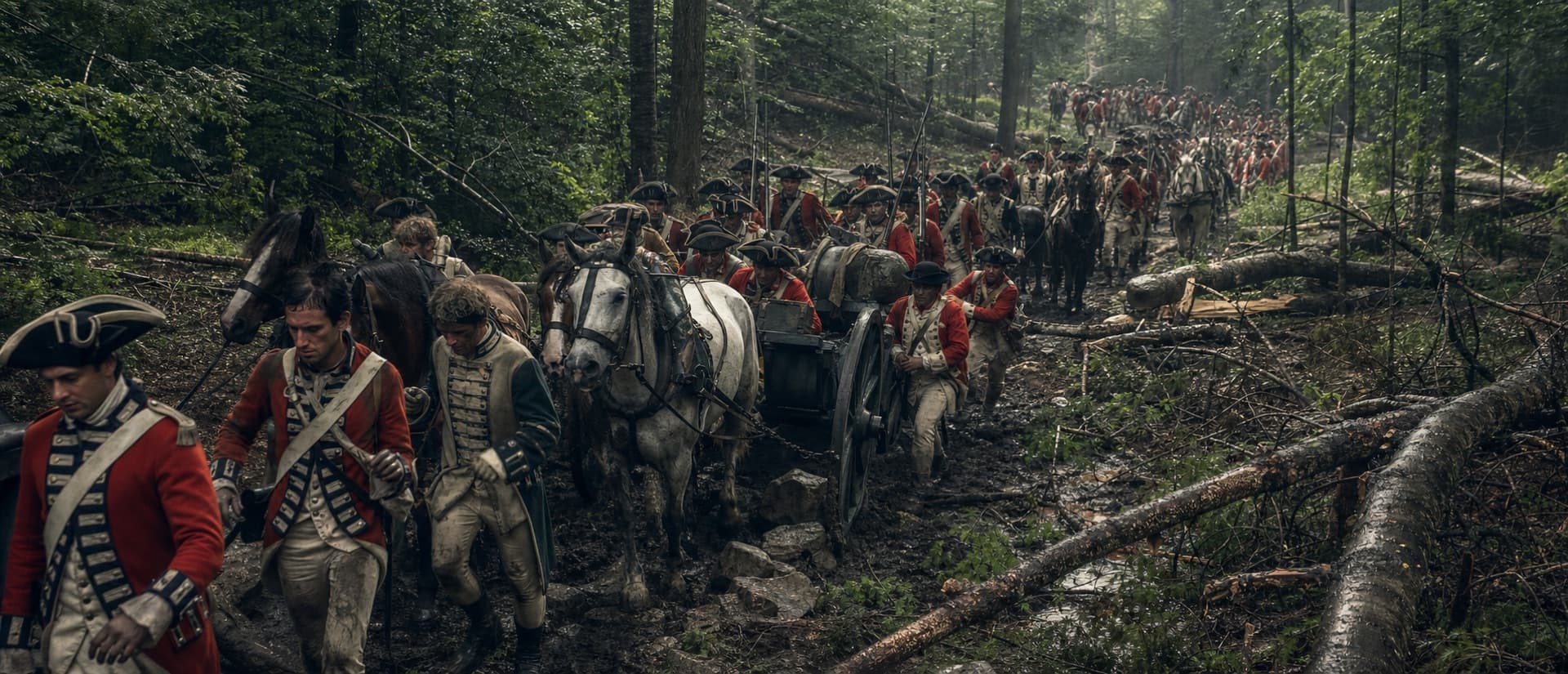
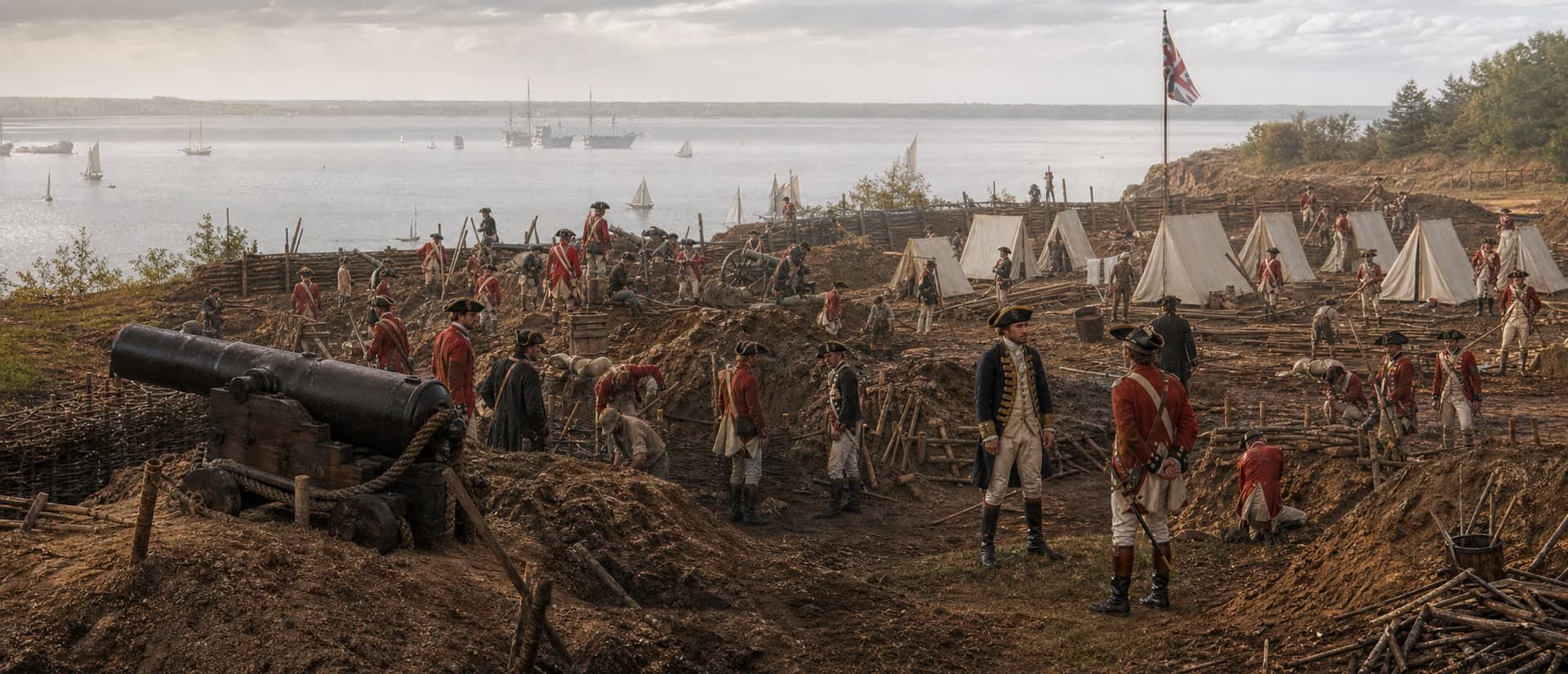
In 1777 the British devised a grand plan to end the rebellion: General John Burgoyne would march south from Canada down the Hudson Valley to Albany, splitting New England from the rest of the colonies. 'Gentleman Johnny' set out with a glittering force of British regulars, German auxiliaries, artillery, and Native allies. But the northern wilderness swallowed his timetable — every mile of felled trees and washed-out road slowed him, his supply line stretched thin, and American militia rose by the thousands around him. Blocking the road at Bemis Heights, the American army under Horatio Gates — stiffened by Daniel Morgan's frontier riflemen and the reckless battlefield genius of Benedict Arnold — dug in and waited.
Saratoga was the turning point of the Revolutionary War. The surrender of an entire British army stunned Europe and, crucially, convinced France that the Americans could actually win. In February 1778 France signed a formal alliance and entered the war openly — bringing money, a navy, and troops that would prove decisive at Yorktown. A backwoods victory in upstate New York turned a colonial insurrection into a global war Britain could not win alone.
The plan is drawn in London: split the colonies in two. General Burgoyne marches south from Canada with a glittering army — regulars, German troops, cannon, and Native allies — bound for Albany. But the northern wilderness is not London. Every felled tree and flooded road steals a day.
In 1777 Gen. John Burgoyne led ~7,000+ troops south from Canada to split New England from the colonies. The wilderness slowed his advance to a crawl. Nearly 249 years ago.
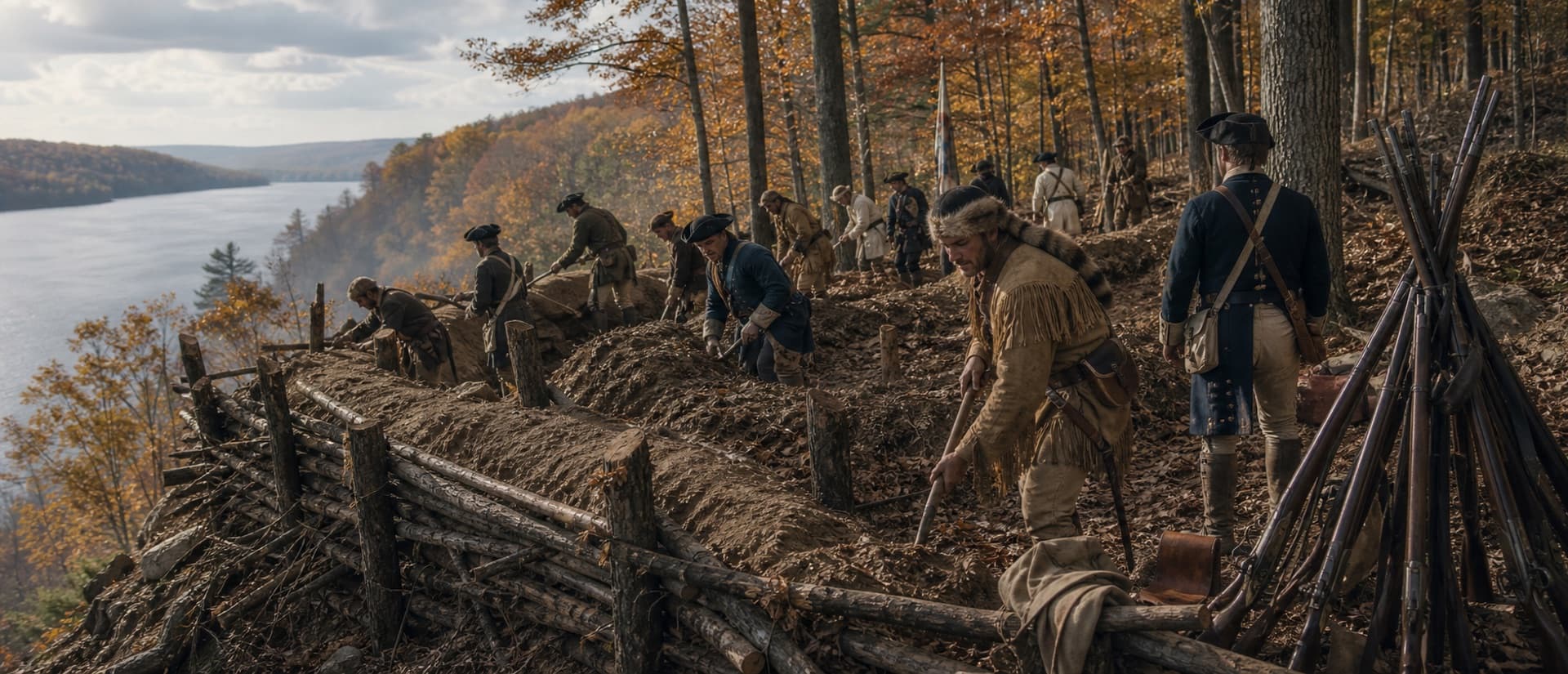
As he crawls, we gather. Farmers with fowling pieces, Continentals, and Morgan's riflemen — men who can hit an officer at three hundred yards. We block the road at Bemis Heights and dig in on the high ground. Burgoyne's supply line back to Canada stretches until it is a thread.
American forces under Gen. Horatio Gates fortified Bemis Heights, reinforced by Daniel Morgan's sharpshooting riflemen. Militia swelled the army as Burgoyne's supply line frayed.
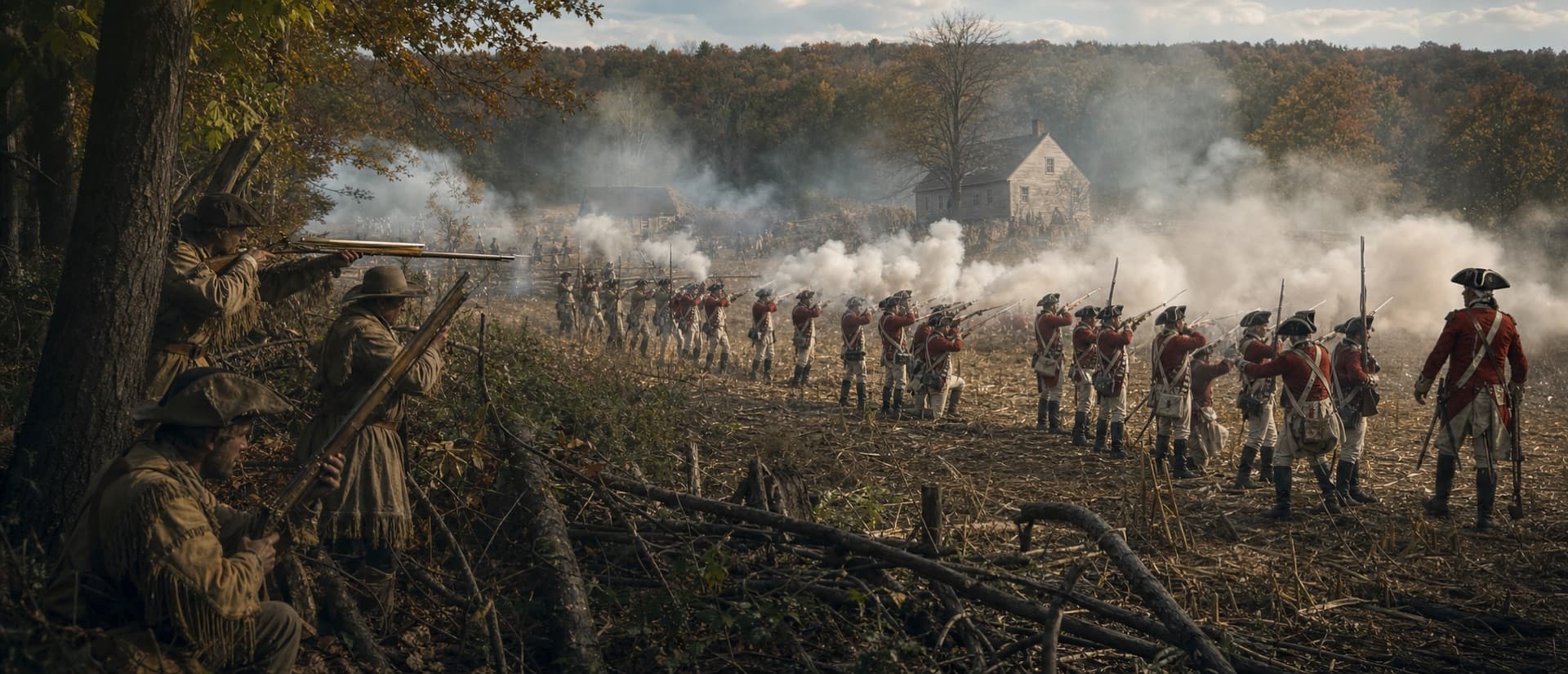
September nineteenth. They come at us through a farm clearing — Freeman's Farm. Morgan's riflemen slip into the trees and start dropping every man with a sash or a gorget. The fighting rolls back and forth over the stubble all afternoon. They hold the field at dusk, but it costs them men they cannot replace.
At the First Battle of Saratoga (Freeman's Farm, 19 Sept 1777), Morgan's riflemen targeted British officers. Britain held the field but suffered heavy, irreplaceable losses.
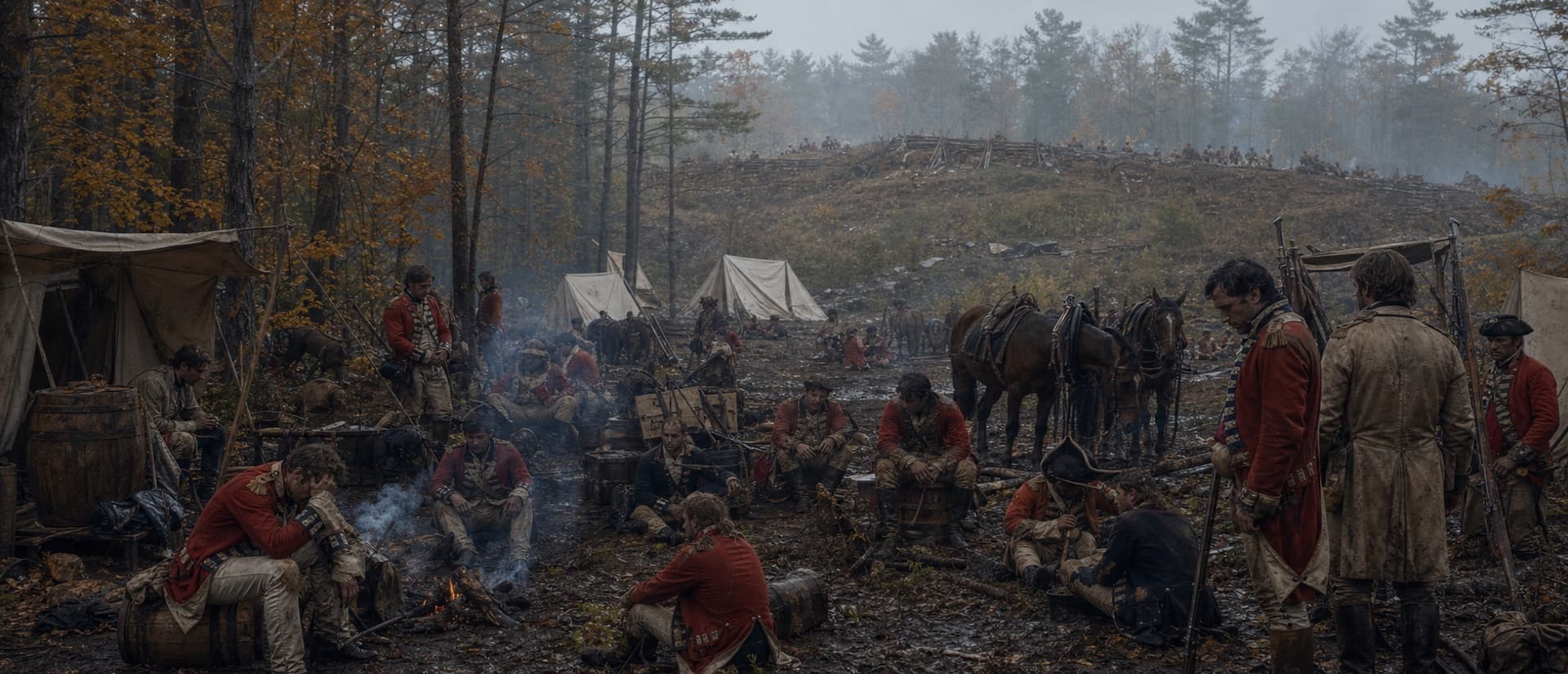
Then we wait, and the trap tightens. Burgoyne digs in, hoping for help from New York that will never come. His horses die; his men go on half-rations, then less. In our camp, General Arnold rages at General Gates for holding us back. The whole army can feel it: the British are trapped, and they know it too.
Burgoyne entrenched, awaiting relief that never came, as his supplies dwindled. In the American camp, Benedict Arnold clashed bitterly with the cautious Gates.
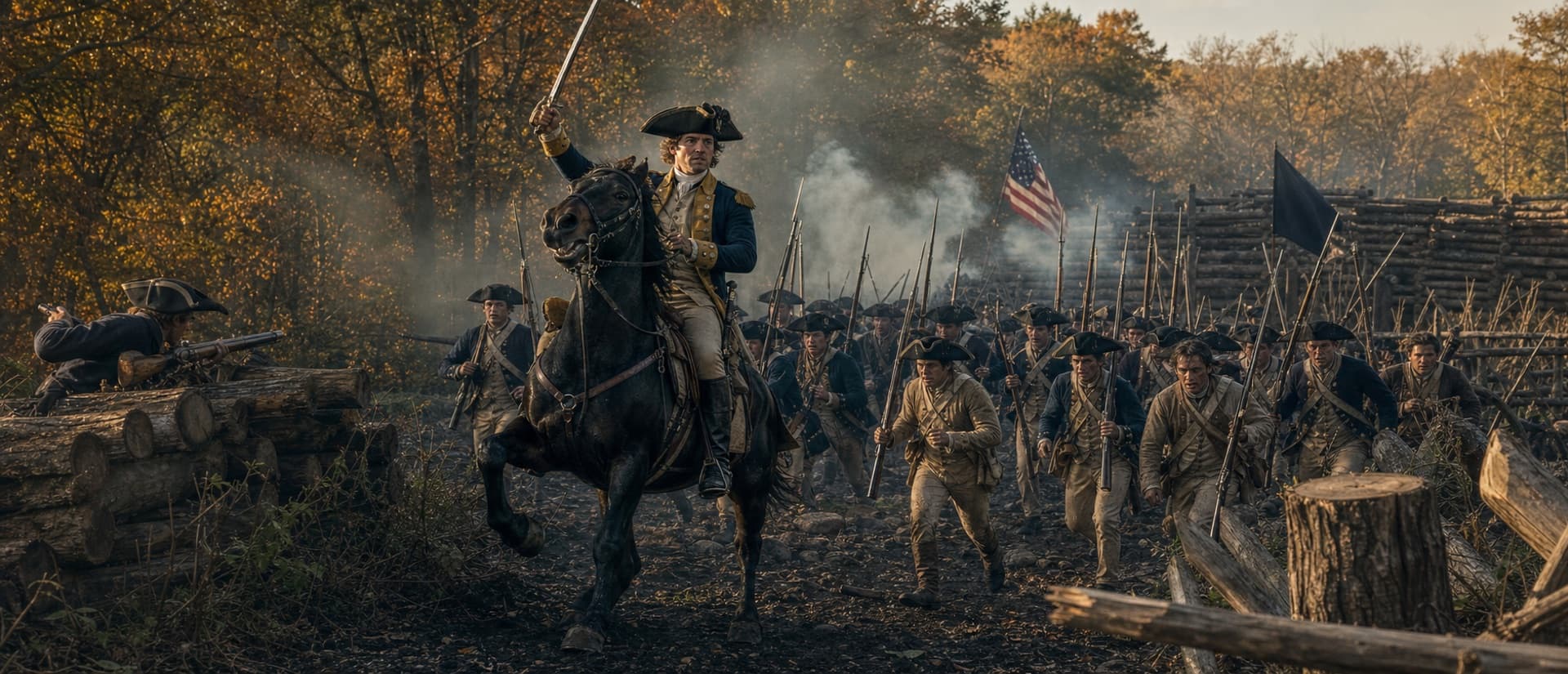
October seventh, Burgoyne throws the dice — a probe in force at Bemis Heights. Arnold has been stripped of his command, but he cannot sit still. He gallops onto the field without orders, and the men roar and follow him. He leads the charge that breaks their line and storms the redoubt before a ball shatters his leg.
At the Second Battle (Bemis Heights, 7 Oct 1777), Benedict Arnold — relieved of command — rode into the fight anyway and led the assault that broke the British line, taking a severe leg wound.
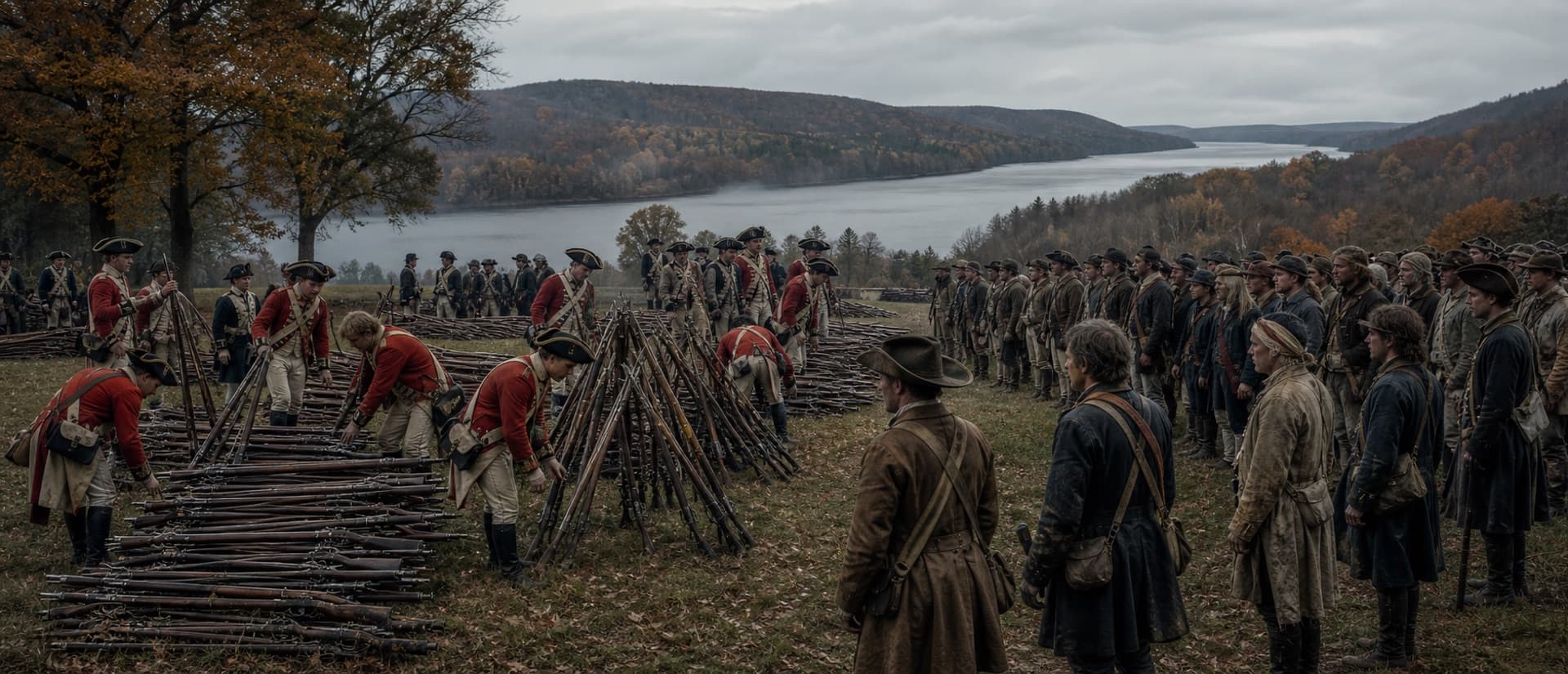
There is nowhere left for them to go. On October seventeenth, Burgoyne surrenders his whole army — near six thousand men — stacking their arms on the meadow by the Hudson. Their bands play as they march out. We line the road and watch a British army lay down its guns, and not a man of us jeers. We have seen what it cost.
On 17 October 1777, Burgoyne surrendered his entire army (~6,000 men) — the first surrender of a British army in the war.
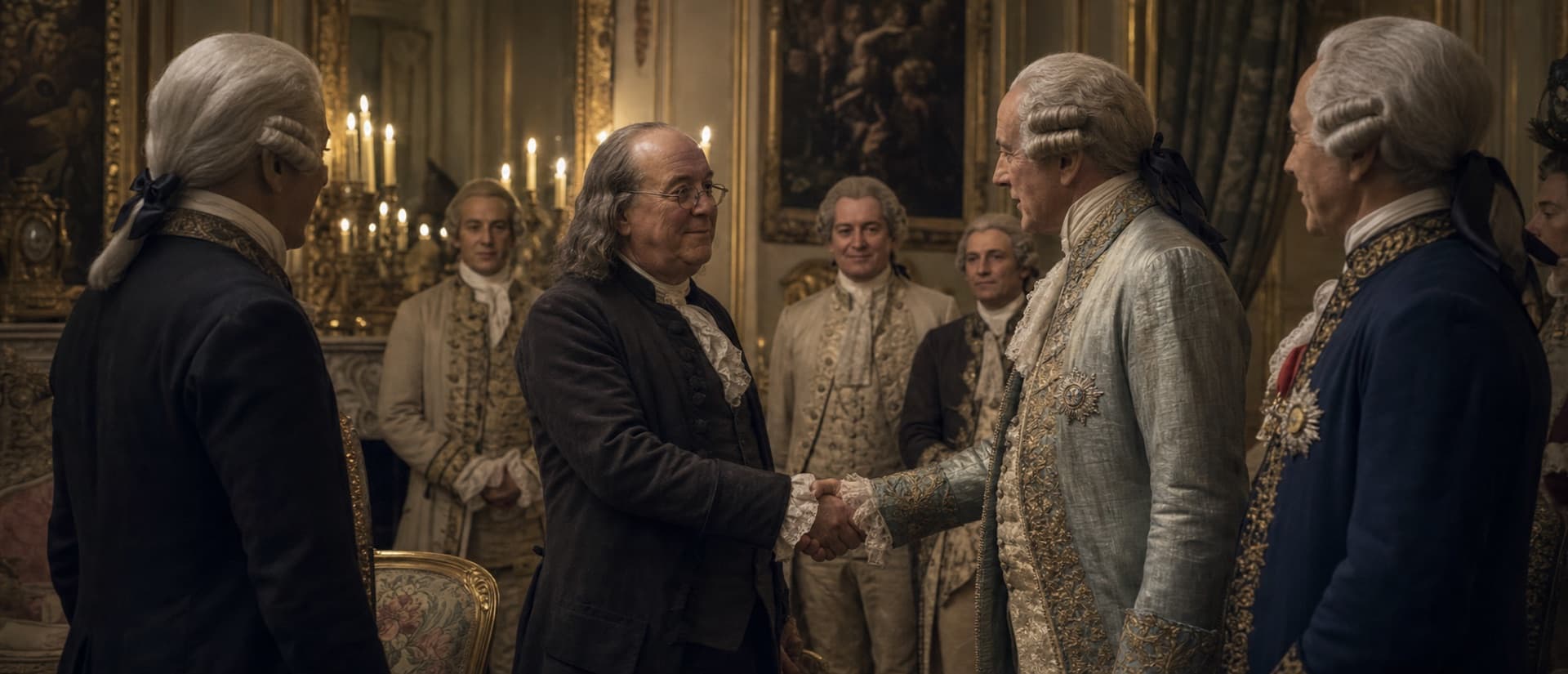
The news crosses the ocean, and it changes everything. In Paris, old Doctor Franklin uses it to close the deal he has courted for months: France will come in — openly, with money, a navy, and an army. A rebellion the powers of Europe dismissed has just captured an entire royal army. Now the whole world is watching.
Word of Saratoga reached Paris and helped Benjamin Franklin secure the Franco-American alliance of February 1778, bringing France into the war openly.
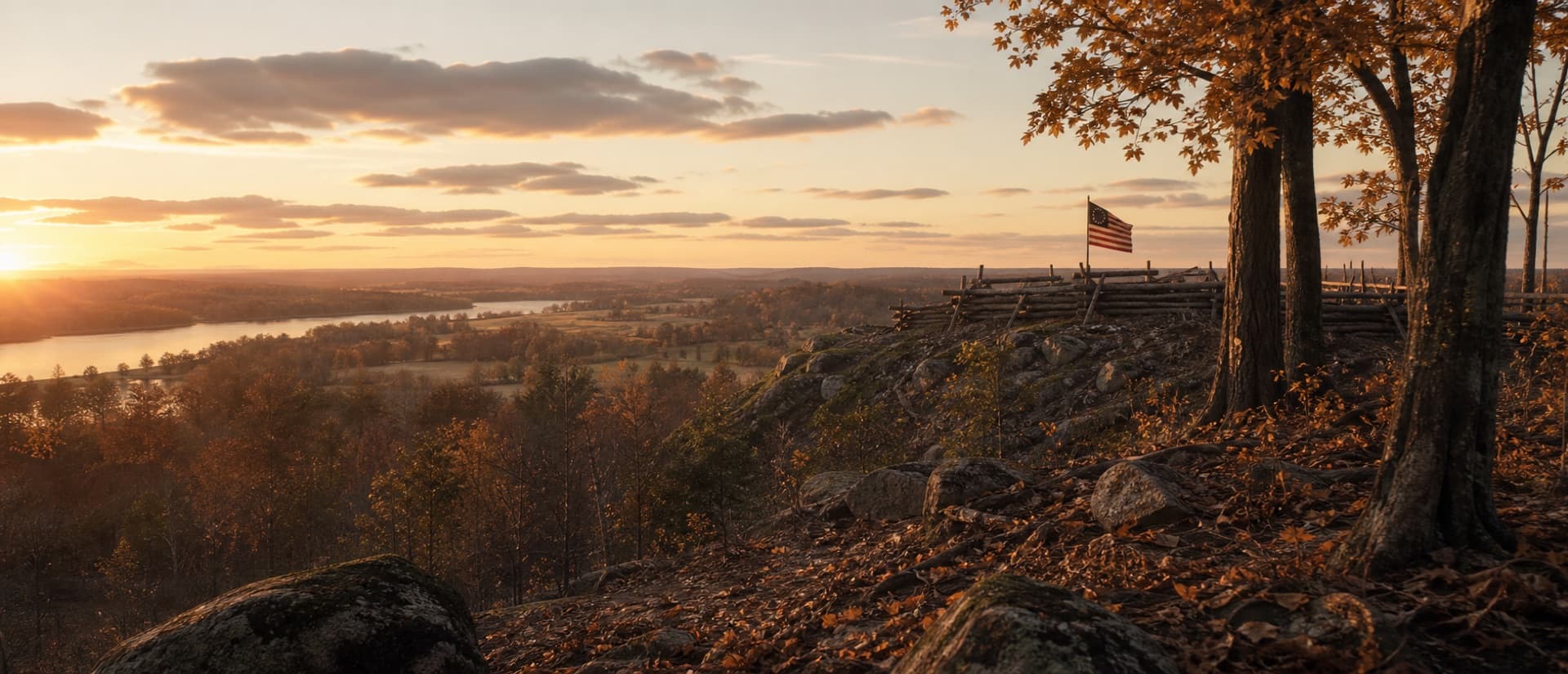
We were farmers and hunters and shopkeepers, and in a stretch of New York woods we bagged a whole army and pulled an empire into the war on our side. They call it the turning point. Standing on Bemis Heights with the leaves coming down, we only knew we had won the biggest thing anyone had ever won.
Saratoga is remembered as the turning point of the Revolution — the victory that brought France in and set the course to independence. It turns 250 in 2027.
Objects, maps, and small visual clues that make the story easier to read.
Saratoga destroyed a British field army and shattered the strategy of splitting the colonies. Its greatest effect was diplomatic: the victory persuaded France to sign a formal alliance in February 1778 and enter the war openly, later joined by Spain and the Dutch. French money, ships, and troops transformed a colonial rebellion into a global war — and made the eventual victory at Yorktown possible.
October 17, 1777
This happened 229 years before you were born — 249 years ago.
Nearly 250 years ago — the battle that turned a colonial rebellion into a war the world took seriously.
Who was there
Their ages at the time, compared with your age now.
John Burgoyne
British commander ('Gentleman Johnny')
55 at the event · 35 years older than you are now
Horatio Gates
American commanding general
50 at the event · 30 years older than you are now
Benedict Arnold
American general, led the decisive charge
36 at the event · 16 years older than you are now
Daniel Morgan
Commander of the riflemen
41 at the event · 21 years older than you are now
Benjamin Franklin
Secured the French alliance in Paris
71 at the event · 51 years older than you are now
The essentials — the kind of thing that shows up on the exam.
250th anniversary series
The 250th-anniversary arc from the first shots in Massachusetts to the words, gambles, and victories that made independence real.
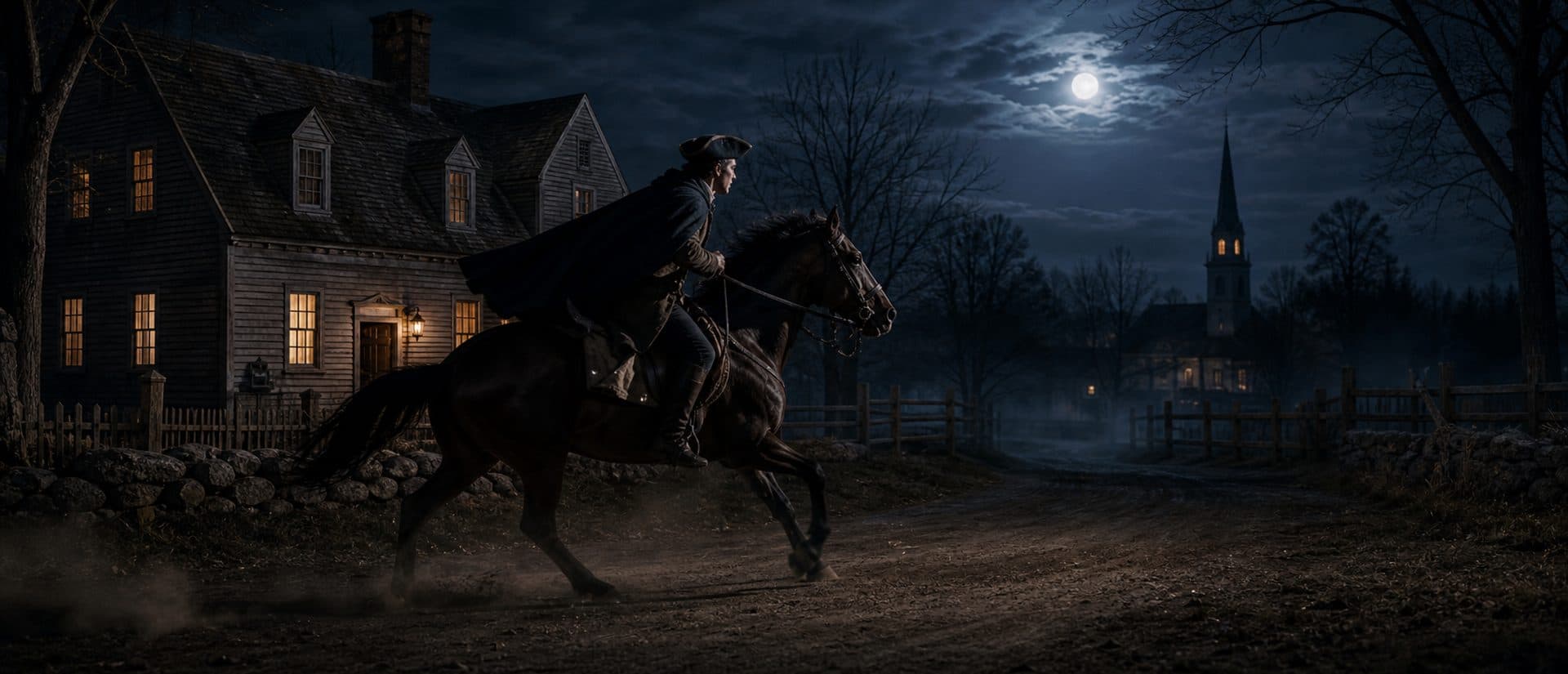
The shot heard round the world
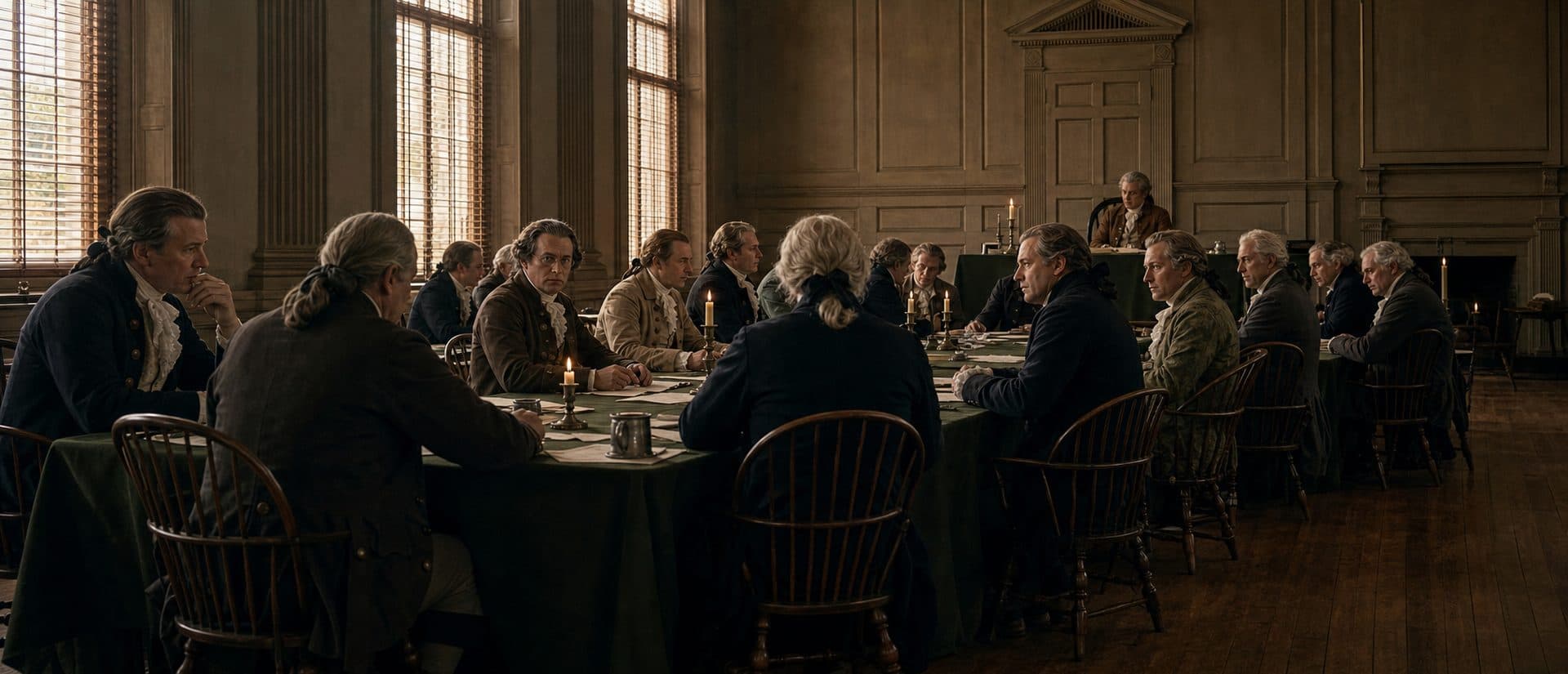
Thirteen colonies put their names to treason
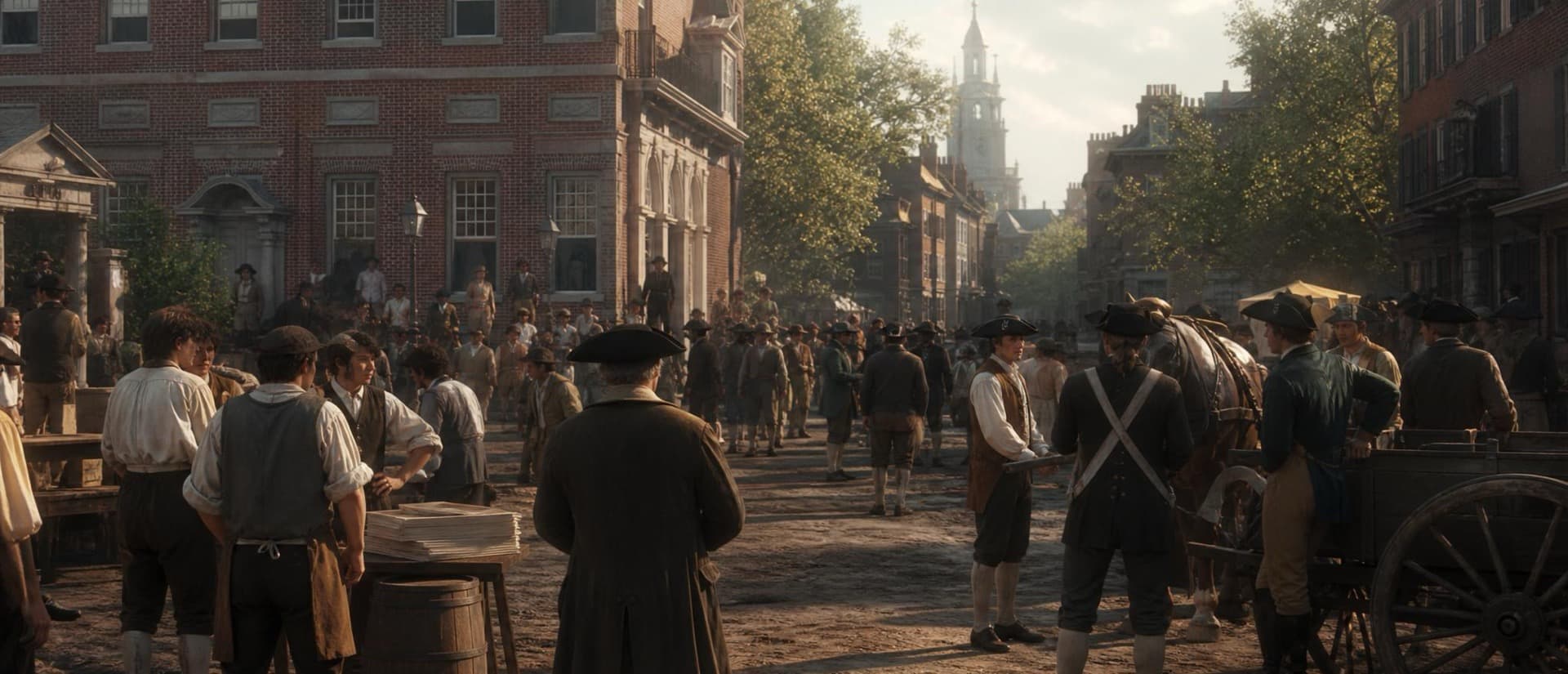
July 1776 - the Declaration leaves Philadelphia and reaches the war
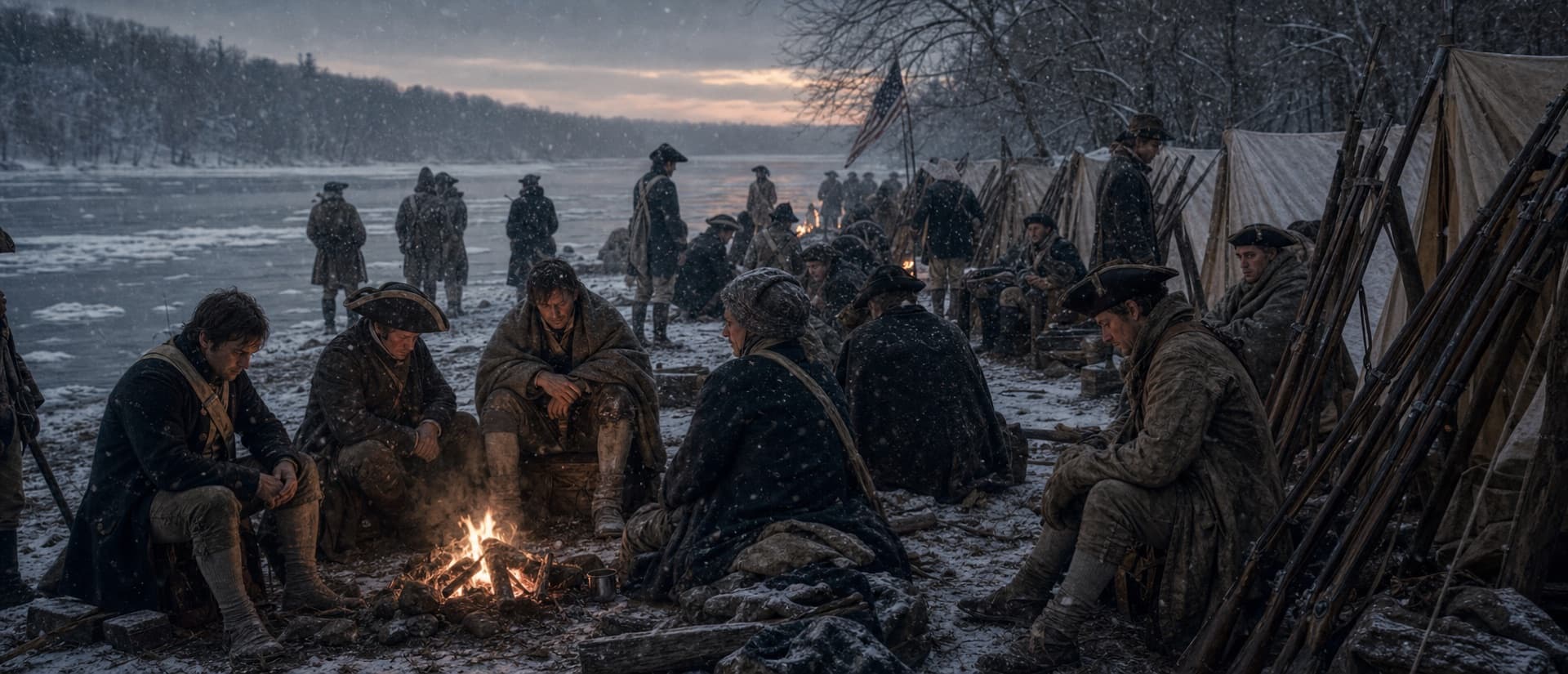
25–26 December 1776 — the gamble that saved the revolution
19 September – 17 October 1777 — the turning point of the Revolution
28 September – 19 October 1781 — the battle that won the Revolution