John Dunlap
Printer of the first broadside copies
29 at the event · 9 years older than you are now
American Revolution · Philadelphia and New York
July 1776 - the Declaration leaves Philadelphia and reaches the war
“The State House doors were closed, but everyone in Philadelphia knew what was being argued inside. By nightfall, the printer's shop would carry the words into the streets.”
This happened 230 years before you were born — 250 years ago.
By July 1776, open war between Britain and the colonies had already lasted more than a year. British troops had been driven from Boston, but a larger British force was gathering against New York. Inside the Pennsylvania State House, the Second Continental Congress had voted for independence on July 2 and spent the next two days revising a public explanation drafted mainly by Thomas Jefferson and the Committee of Five.
The Declaration did not win independence by itself. It did something almost as dangerous: it made the rebellion explicit, public, and irreversible. It told the world that thirteen colonies now claimed to be states, and it gave the Continental Army a war aim larger than protest.
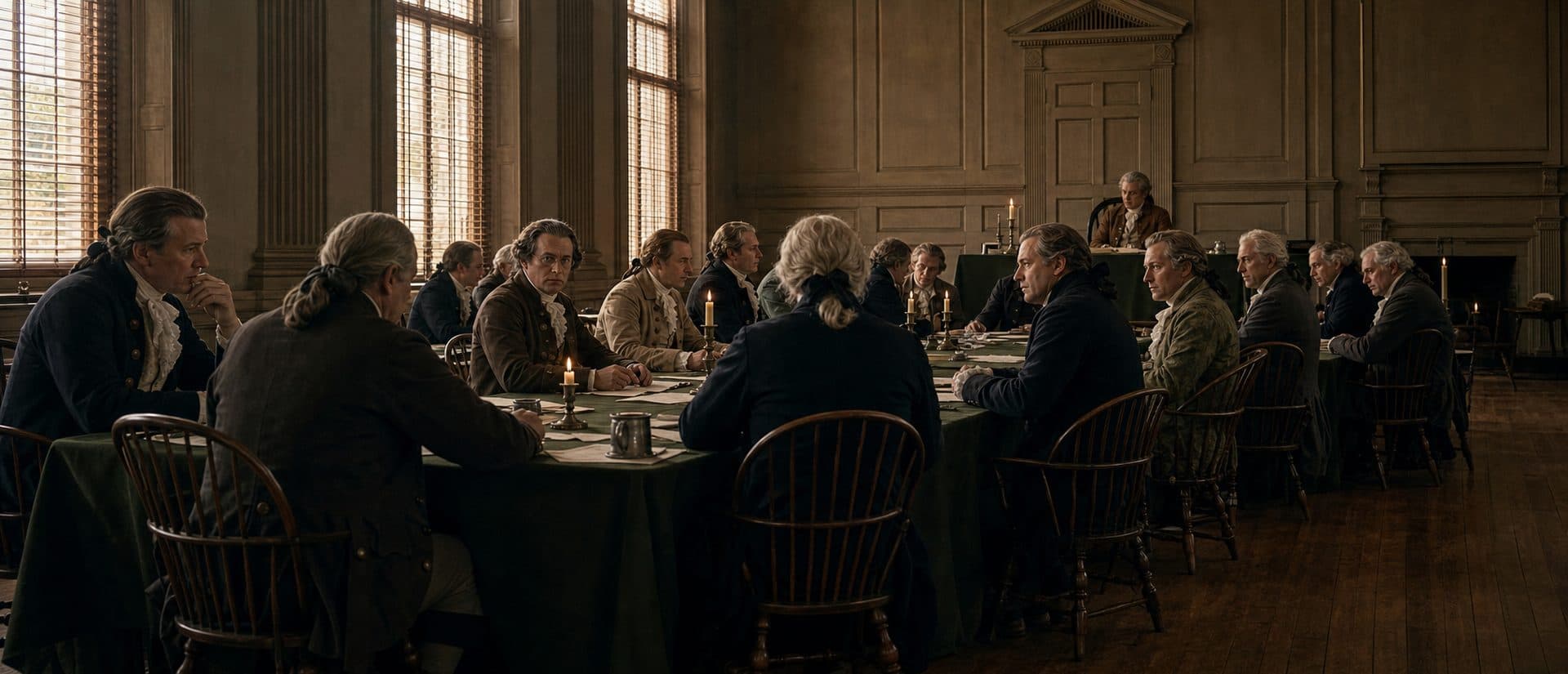
Philadelphia is hot enough to make the ink sweat. Congress has been shut inside the State House for days. We hear the word independence in the street now, but still in lowered voices.
July 1776: Congress met behind closed doors in the Pennsylvania State House, now Independence Hall.
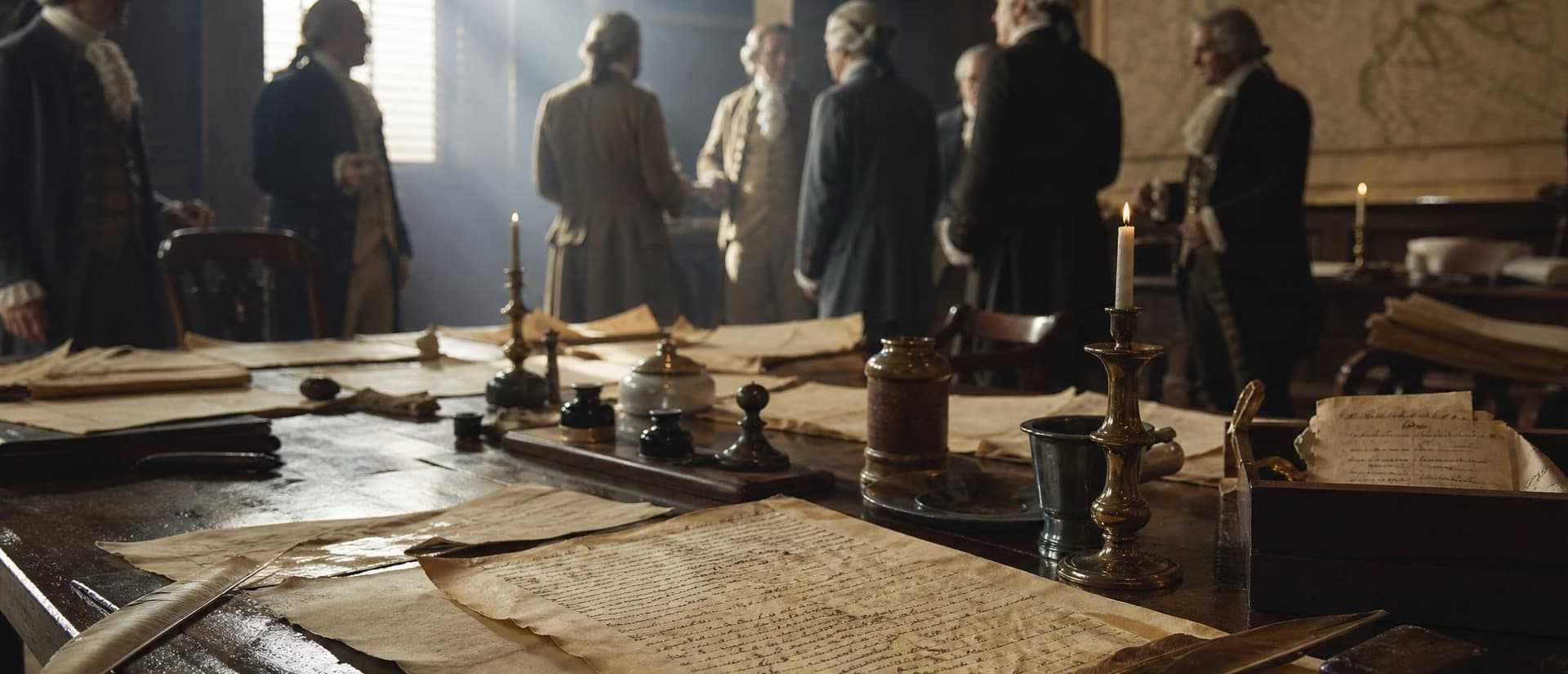
Two days ago, they voted to break with the king. Today they are fighting over the words. A draft lies marked with cuts, additions, and one sentence bright enough to outlive the room.
“all men are created equal”
Congress voted for independence on July 2, then revised the Declaration's language before approving it on July 4.
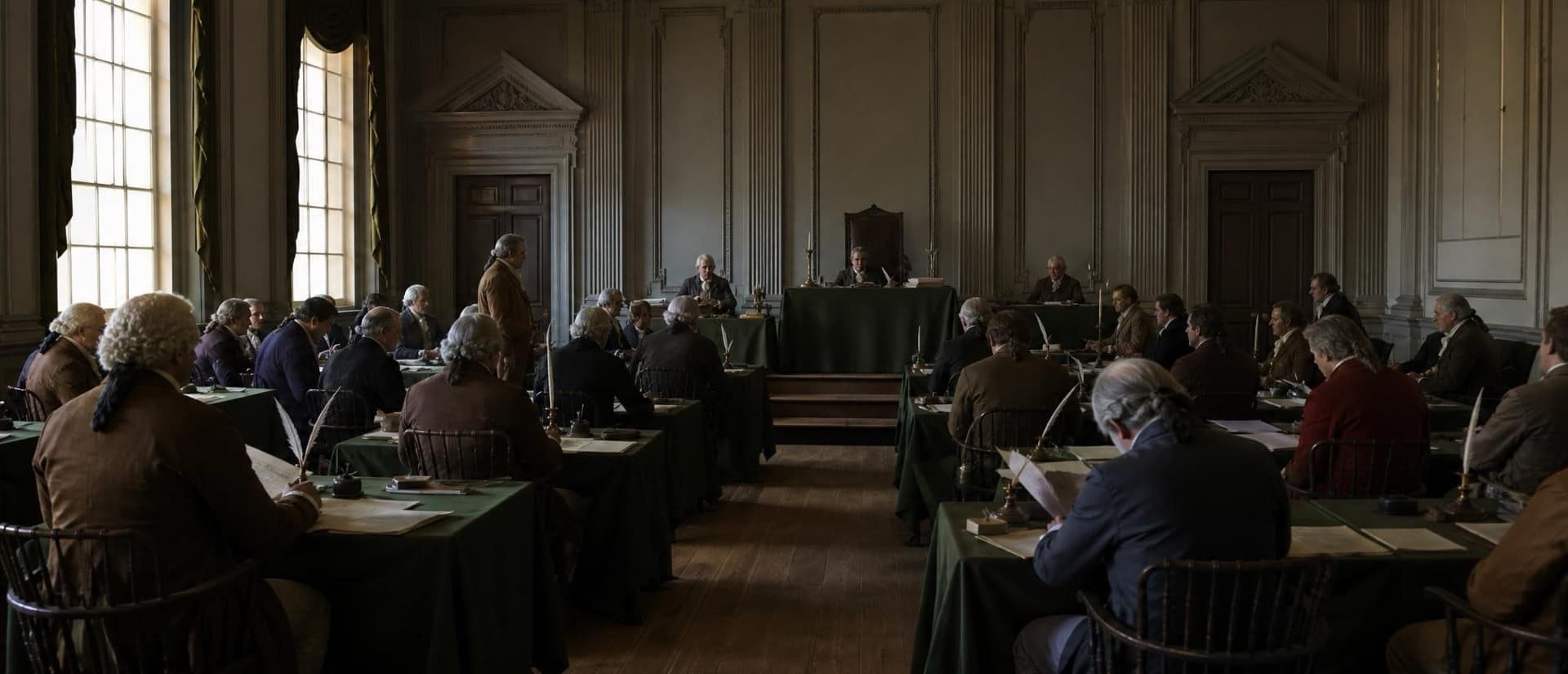
No bell announces the vote. No crowd hears the speeches. The decision comes as paper and orders: the Declaration is approved. Copies must be printed tonight.
On July 4, 1776, Congress approved the Declaration and ordered it printed.
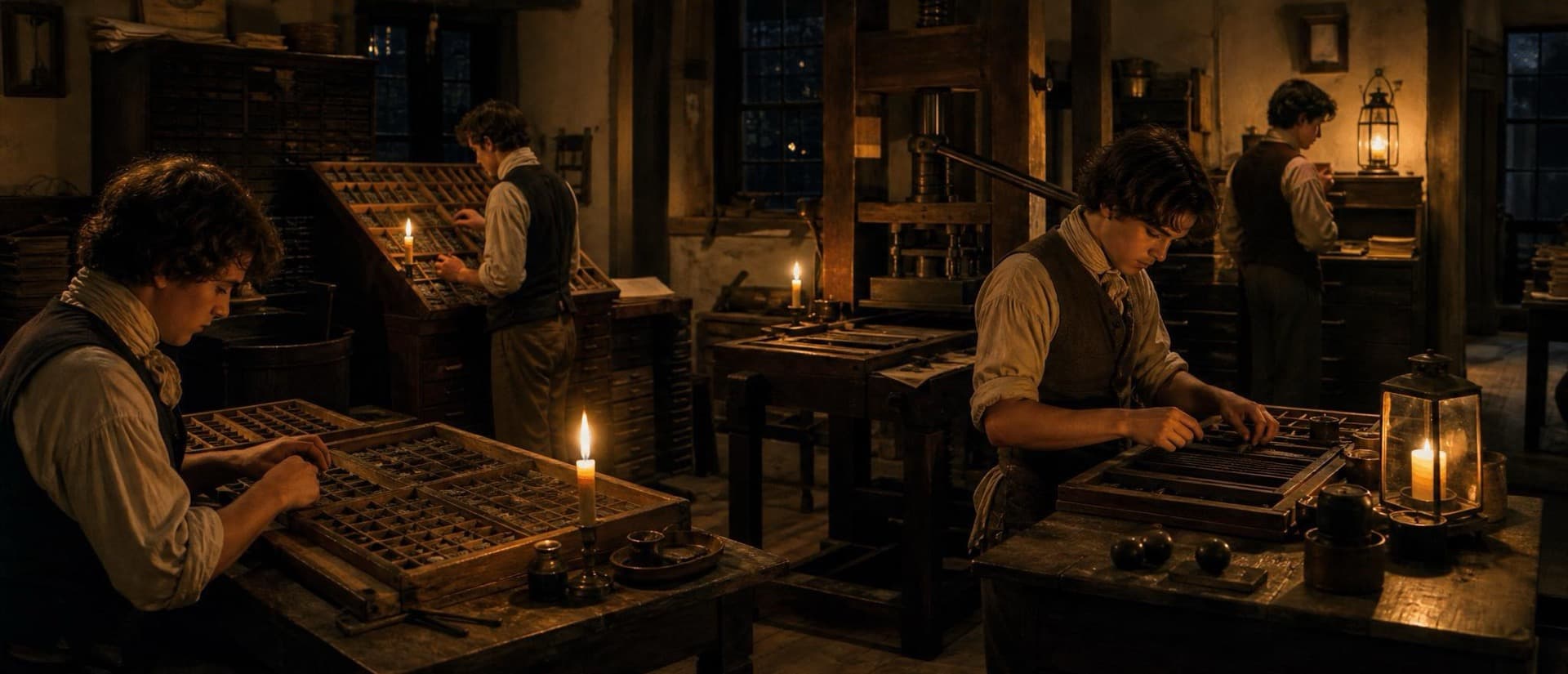
At Dunlap's shop, we set the type by hand. Letter by letter. Line by line. The words are not yet sacred. They are metal pieces in a composing stick, easy to drop, impossible to forget.
Printer John Dunlap produced the first printed Declaration, now known as the Dunlap Broadside.
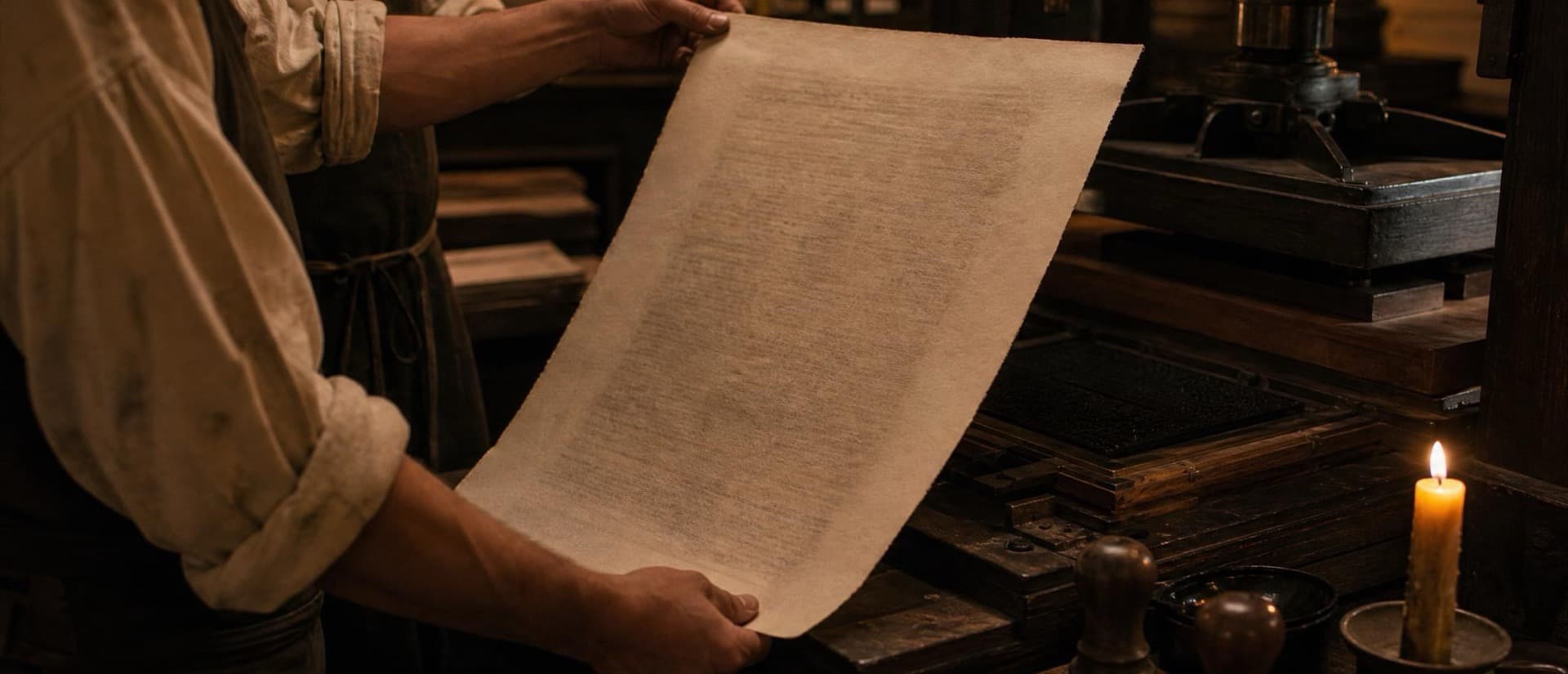
The press bites down. The first sheets lift black and wet from the platen: In Congress, July 4, 1776. I hold one edge while the ink shines like it is still alive.
The first broadsides were likely printed the evening of July 4 and early morning of July 5.
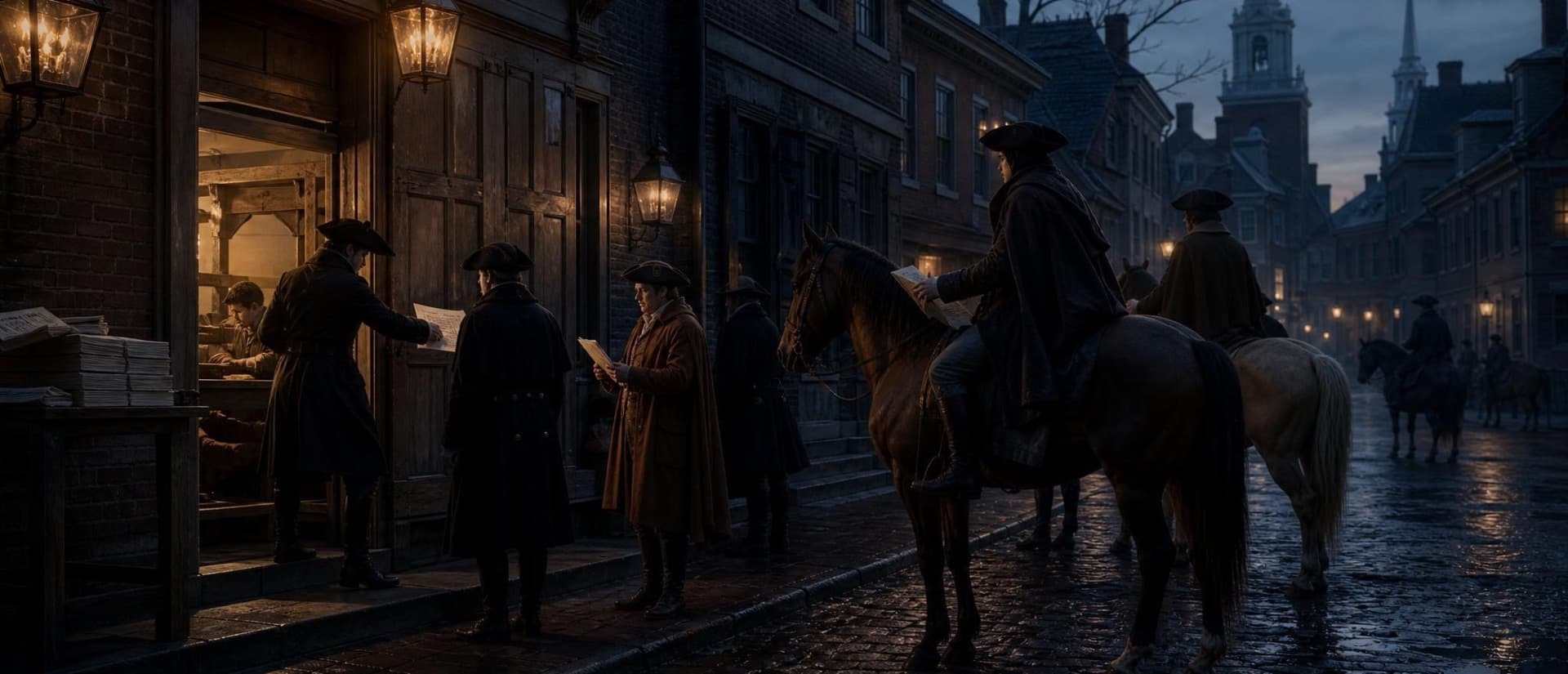
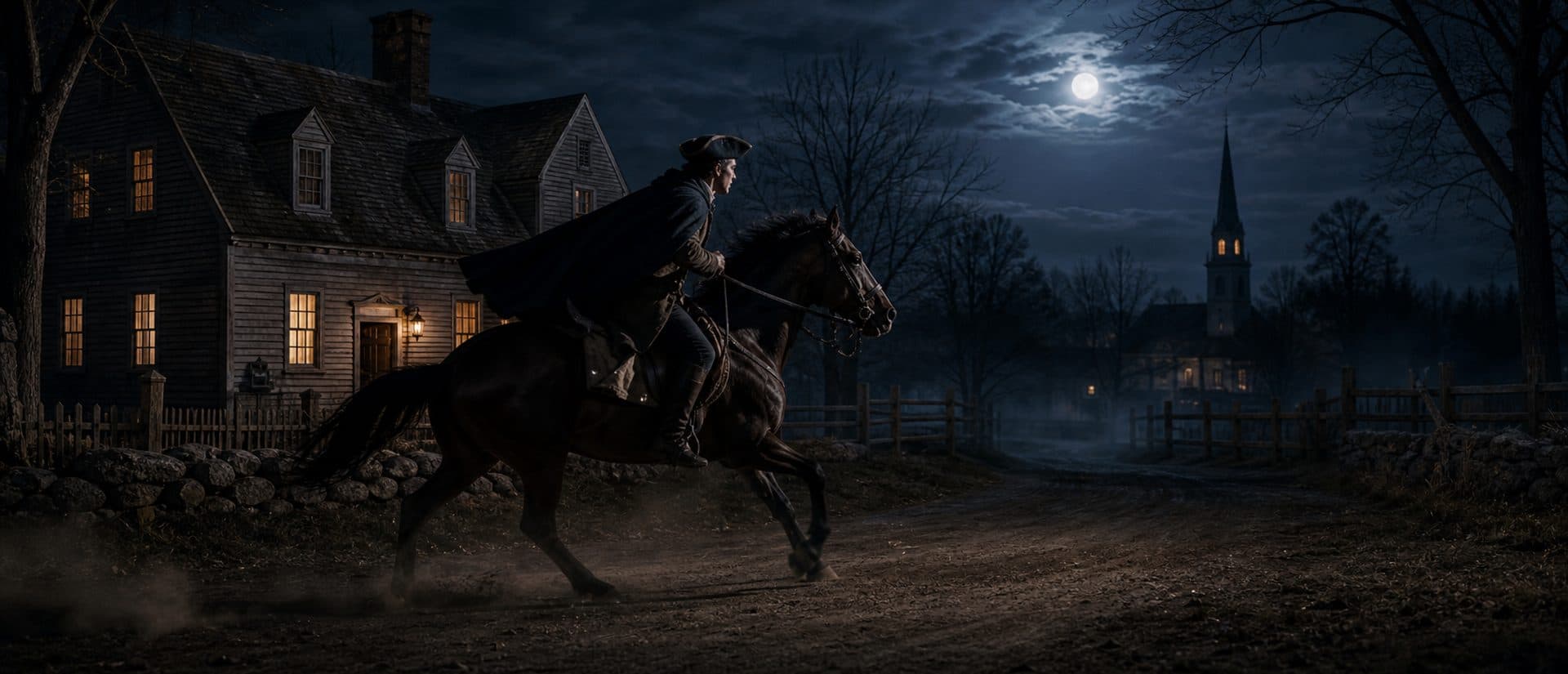
Copies leave before dawn. Some go by rider, some by boat, some folded into official packets. The king will hear. The army will hear. So will every colony still wondering if this is madness.
Dunlap broadsides were sent to state assemblies, commanders, and newspapers across the colonies.
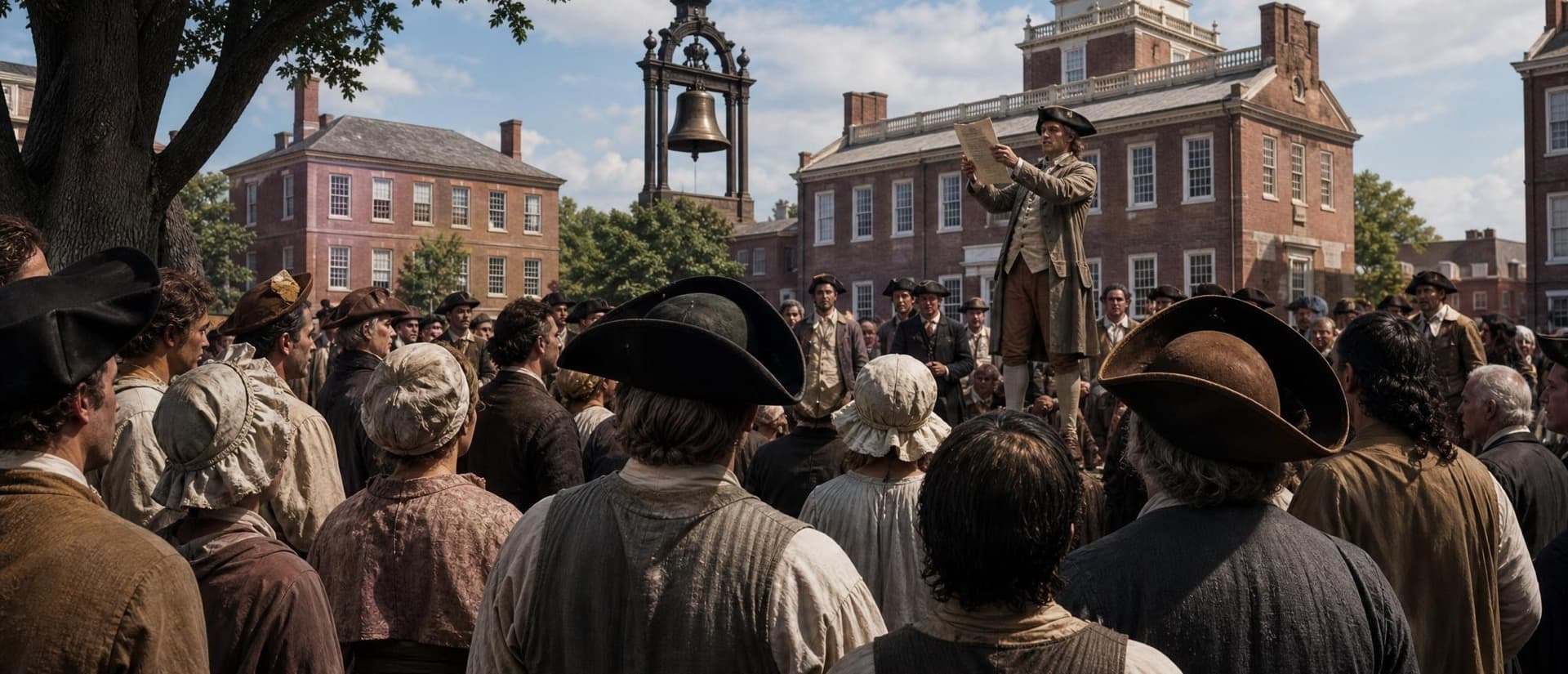
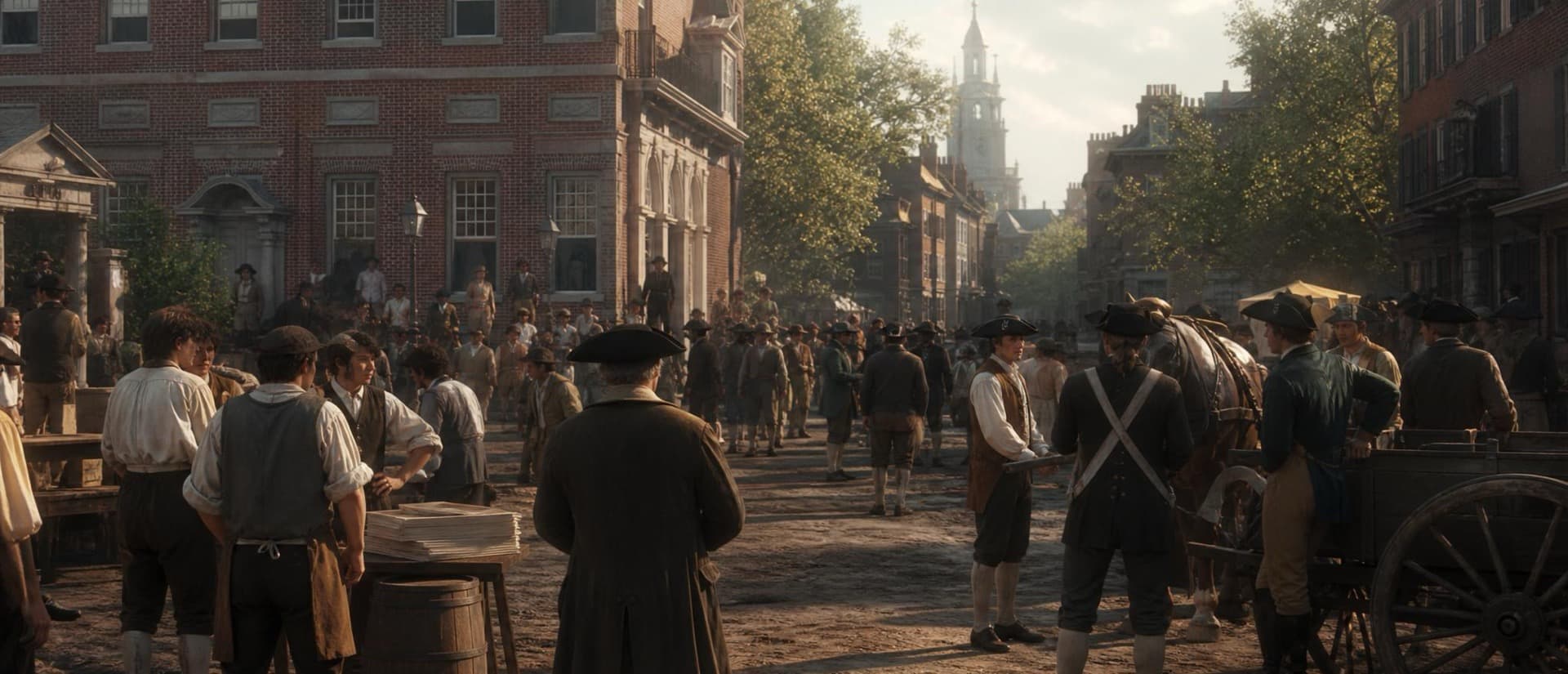
On July 8, people crowd the State House yard. Colonel John Nixon reads the words aloud. Philadelphia hears the sentence we printed in whispers become a public thing.
The first public reading in Philadelphia took place in the State House yard on July 8, 1776.
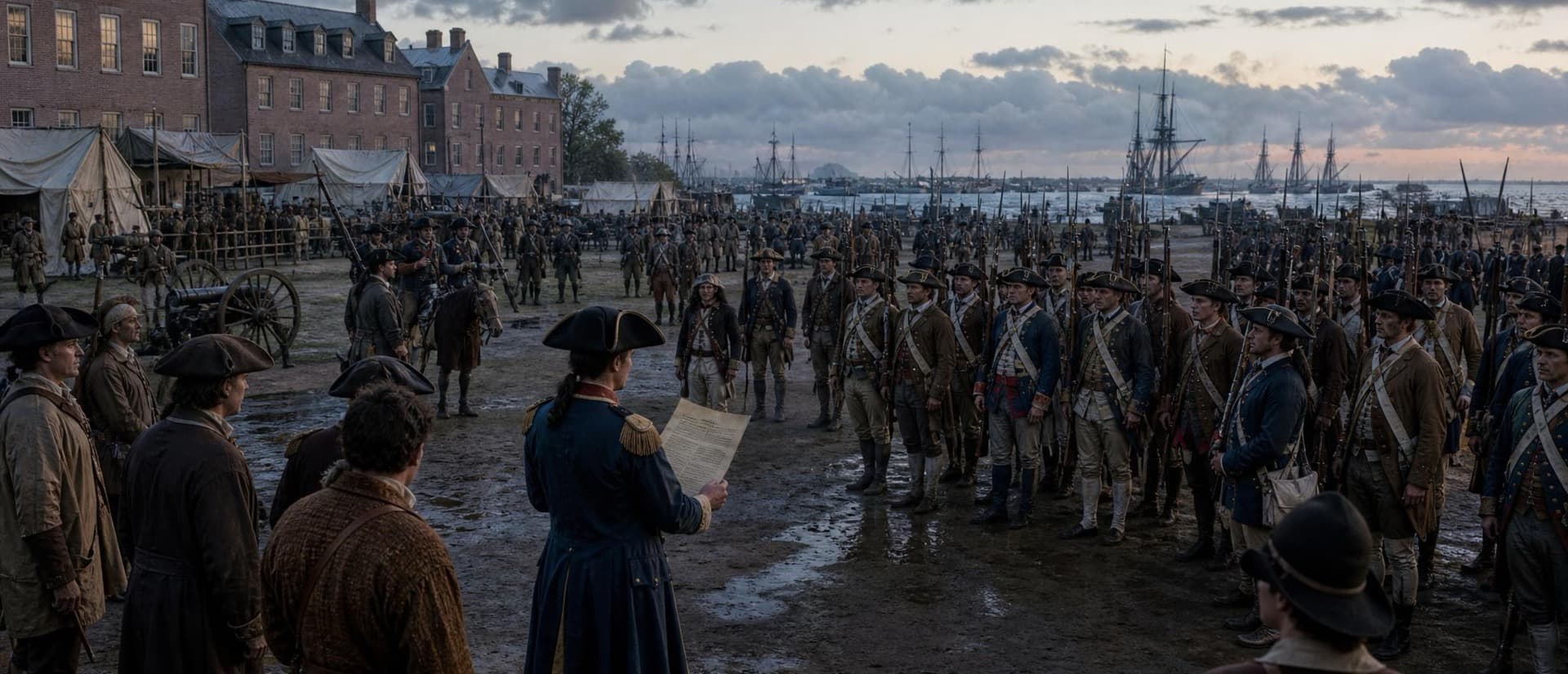
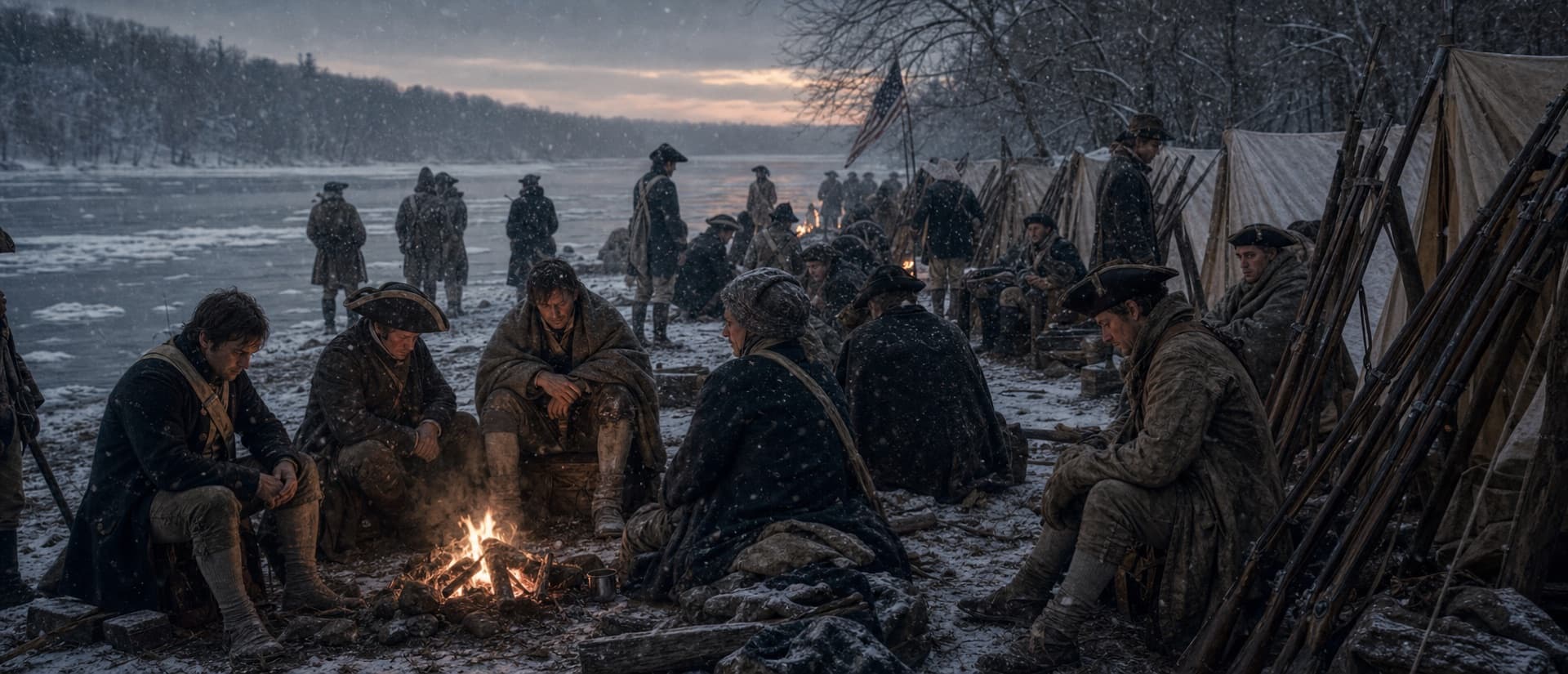
The broadside reaches Washington in New York. On July 9, his brigades form on their parade grounds. The words are read to soldiers who may soon face the largest British army yet sent across the Atlantic.
Washington ordered the Declaration read to the Continental Army in New York on July 9, 1776.
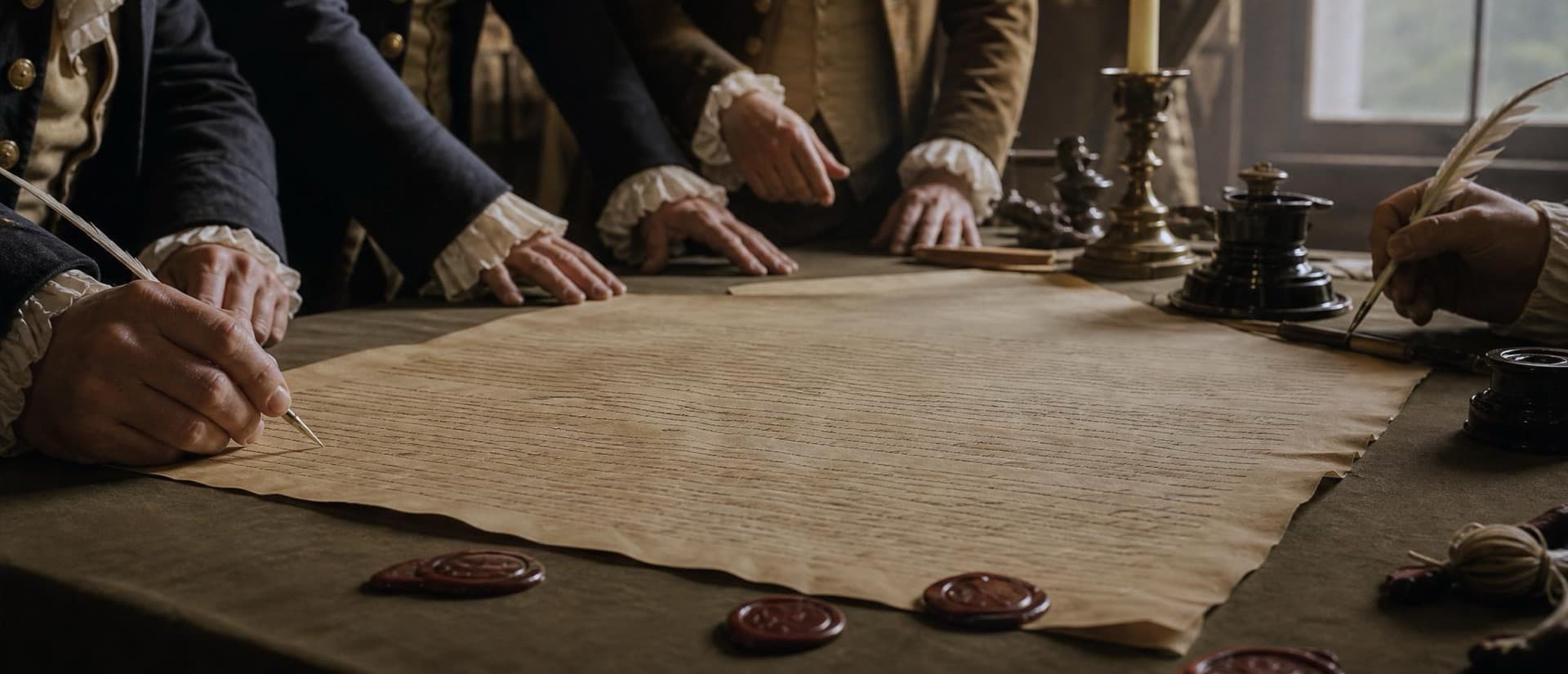
Soon there is another copy, engrossed on parchment for signatures. Most names will go down on August 2. Fifty-six men will make themselves visible to an empire.
Congress ordered an engrossed parchment copy on July 19; most delegates signed it on August 2, 1776.
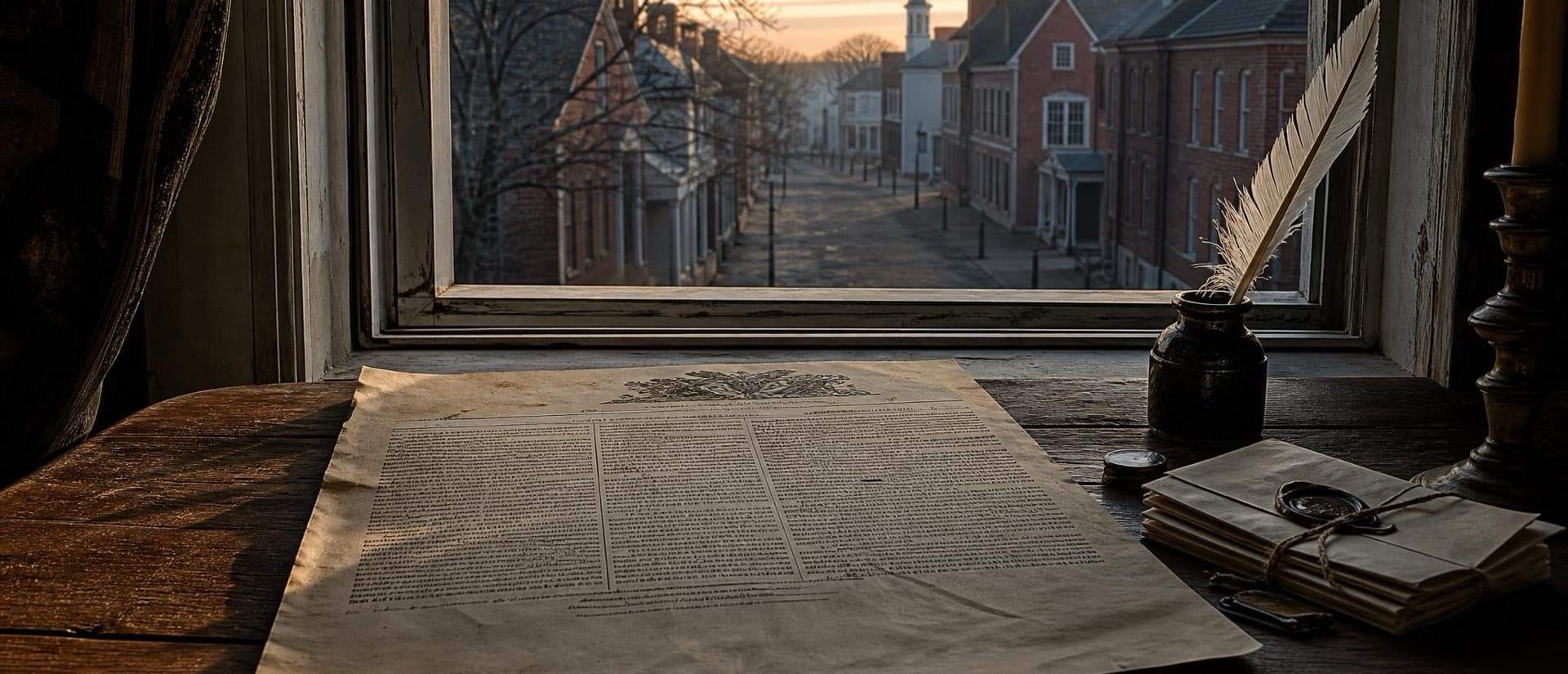
The war will last seven more years. The words will not free everyone they promise to include. But once printed, they can be carried, argued over, invoked, and demanded.
The Declaration became both a revolutionary war document and a standard later generations used to challenge the nation's exclusions.
Objects, maps, and small visual clues that make the story easier to read.
The Declaration transformed a colonial rebellion into an open claim of national independence. It gave Congress a diplomatic argument for foreign recognition, gave Washington's army a clearer purpose, and gave later generations a sentence they could use against the nation's own exclusions. Independence still had to be won militarily: New York nearly fell within weeks, the war lasted until 1783, and the contradictions around slavery and political equality endured. But July 4, 1776, made the break with Britain public, printable, and impossible to quietly reverse.
July 4, 1776
This happened 230 years before you were born — 250 years ago.
The Declaration was adopted 250 years ago in 2026 - farther back than any living memory, but still only about three long lifetimes from today.
Who was there
Their ages at the time, compared with your age now.
John Dunlap
Printer of the first broadside copies
29 at the event · 9 years older than you are now
John Nixon
First public reader in Philadelphia
43 at the event · 23 years older than you are now
George Washington
Commander who read the Declaration to the army
44 at the event · 24 years older than you are now
King George III
British monarch whose statue was toppled
38 at the event · 18 years older than you are now
Thomas Jefferson
Declaration drafter whose words were now public
33 at the event · 13 years older than you are now
The essentials — the kind of thing that shows up on the exam.
Story series
Two connected chapters: the decision inside the State House, then the printed words racing out across the colonies.
Thirteen colonies put their names to treason
July 1776 - the Declaration leaves Philadelphia and reaches the war
Keep going
More immersive history stories are unlocked now, with anniversary dates used for promotion.
As an Amazon Associate, OlderThan earns from qualifying purchases.